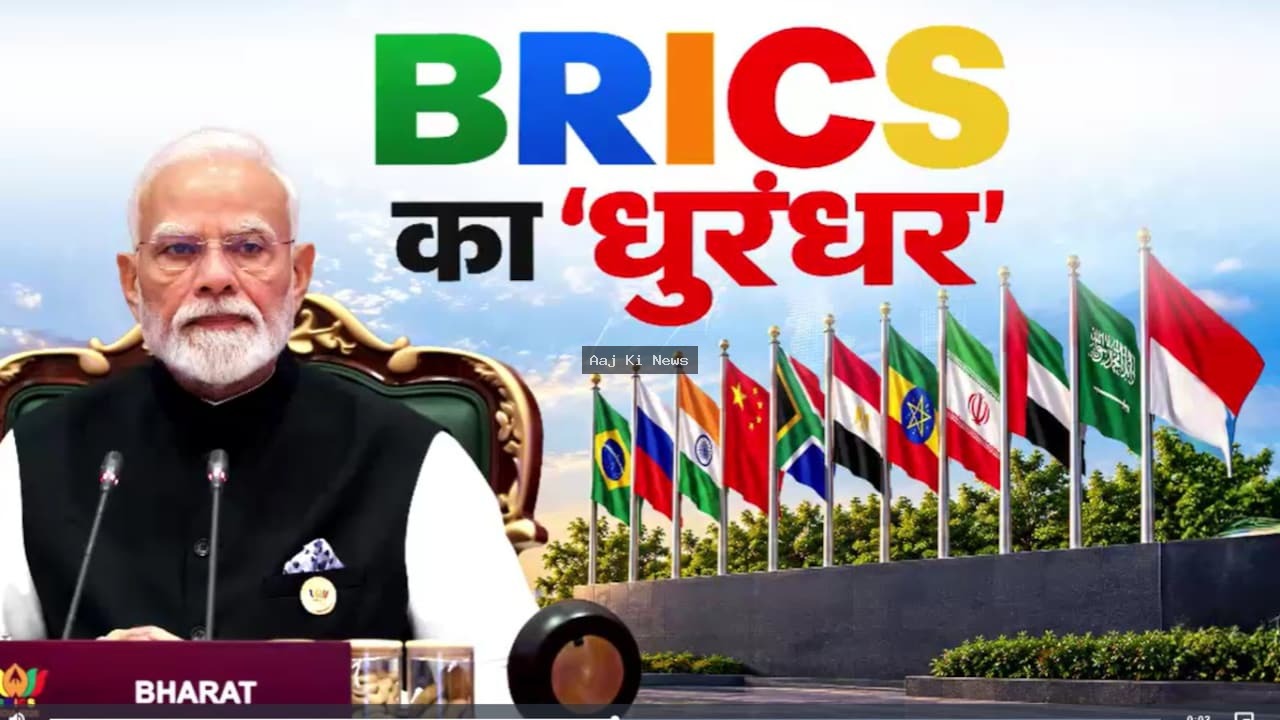
BRICS is an international organization that currently includes Brazil, Russia, India, Iran, China, Egypt, Ethiopia, Indonesia, South Africa, and the United Arab Emirates. The group primarily provides a platform for dialogue and coordination among member countries on issues related to economic, political, and multilateral cooperation.
The ideological background of BRICS began developing in the late 1990s. Former Russian Foreign Minister Yevgeny Primakov promoted ideas related to a multipolar global order. Platforms such as the RIC dialogue between Russia, India, and China, as well as IBSA involving India, Brazil, and South Africa, also played a role in laying the groundwork for the eventual formation of BRICS.
The term BRIC was first used by British economist Jim O’Neill in 2001. He used the term to refer to emerging economies such as Brazil, Russia, India, and China. Later, the name became associated with growing economic and diplomatic cooperation among these countries.
The first formal summit of the BRIC countries was held in 2009 in Yekaterinburg, Russia. Leaders from Brazil, Russia, India, and China participated in the summit. Subsequently, these countries developed a system of regular summits and coordination across various areas.
South Africa joined the group in September 2010, after which the name BRIC was changed to BRICS. South Africa participated as a full member for the first time at the third summit held in 2011.
BRICS expanded in 2024. Iran, Egypt, Ethiopia, and the United Arab Emirates participated for the first time as member countries at the BRICS summit held in Russia. Indonesia officially joined the organization at the beginning of 2025. With this, Indonesia became the first BRICS member from Southeast Asia.
Saudi Arabia was invited to join the group at the summit held in Johannesburg. However, Saudi Arabia has not publicly provided a clear confirmation of its membership. Following the 2024 expansion, the term BRICS+ also began to be used informally in reference to the group’s broader membership.
BRICS member countries collectively account for a significant share of the global economy and population. The organization has also developed several institutional mechanisms for economic and financial cooperation, including the New Development Bank and the BRICS Contingent Reserve Arrangement. The group has also discussed and worked on initiatives related to payment mechanisms such as BRICS PAY.
Within BRICS, proposals have also been put forward to promote trade and payments in the national currencies of member countries. This has been linked to broader discussions about reducing dependence on the US dollar in international trade.
All the original BRICS members and Indonesia are also members of the G20. International views on BRICS have varied. Some analysts consider it an important grouping in the global order, while others question its cohesion due to the differing political and economic priorities of its member countries. Nevertheless, BRICS continues to remain a subject of international attention because of its ongoing expansion and its focus on multilateral cooperation.